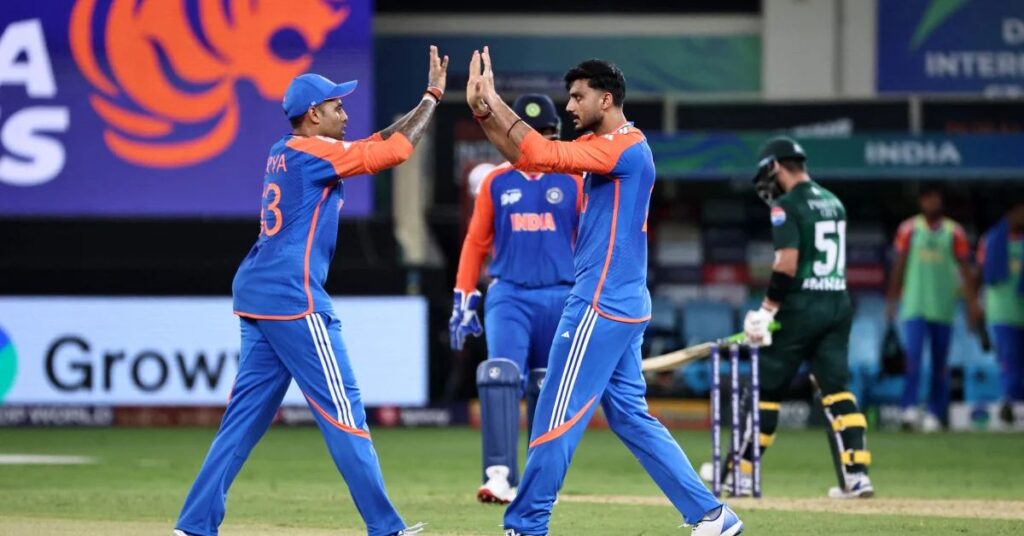

The India vs Pakistan clash at the T20 World Cup is more than just a cricket match—it is a global sporting event that transcends boundaries, emotions, and generations. Amid the build-up, hype, and speculation surrounding the marquee encounter, Indian cricket legend Sunil Gavaskar has delivered a blunt and no-nonsense take, cutting through the noise by redefining what he believes the “real battle” truly is.
Known for his fearless opinions and sharp cricketing insight, Gavaskar’s remarks have once again sparked debate among fans, former players, and experts. At a time when narratives around pressure, rivalry, and history dominate headlines, Gavaskar’s perspective brings focus back to fundamentals—performance, preparation, and mental discipline.
India vs Pakistan: More Than Just a Cricket Match
Few sporting rivalries match the intensity of India vs Pakistan in ICC tournaments, especially at the T20 World Cup. Every meeting:
- Draws millions of viewers worldwide
- Carries emotional, political, and historical undertones
- Places enormous pressure on players
For fans, it is often treated as a “final before the final.” For players, it is a test of composure unlike any other.
Sunil Gavaskar: A Voice That Commands Respect
Why Gavaskar’s Opinion Matters
Sunil Gavaskar is not just a former cricketer—he is one of the most respected voices in the game. With:
- Over 10,000 Test runs
- Experience of playing high-pressure India-Pakistan contests
- Decades of commentary and analysis
Gavaskar’s views are shaped by experience rather than emotion.
When he speaks about India-Pakistan matches, people listen.
Gavaskar’s Blunt Take: What Did He Mean by “Real Battle”?
Cutting Through the Hype
In his comments on the upcoming India-Pakistan T20 World Cup match, Gavaskar dismissed excessive emotional narratives, stating that the “real battle” is not between nations or fanbases, but within the players themselves.
According to Gavaskar, the real contest is:
- Between discipline and impulse
- Between preparation and panic
- Between execution and expectation
This perspective shifts focus away from external noise to internal control.
The Psychology of India-Pakistan Matches
Pressure Unlike Any Other Game
No other cricket match generates pressure like India vs Pakistan. Players face:
- Massive fan expectations
- Media scrutiny
- Historical comparisons
Gavaskar believes that handling this pressure—not talent—often decides the result.
Mental Strength Over Skill
At international level:
- Skill levels are similar
- Fitness standards are high
- Tactical knowledge is advanced
What separates winners from losers is mental resilience, especially in high-voltage matches.
“Real Battle” According to Gavaskar: Player vs Pressure
The Invisible Opponent
Gavaskar’s key argument is that the toughest opponent in an India-Pakistan clash is not the other team—it is:
- Nerves
- Overthinking
- Fear of failure
Players who conquer these often outperform more talented but emotionally overwhelmed counterparts.
History Supports Gavaskar’s View
Several India-Pakistan matches have been decided not by superior teams, but by:
- One bad over
- A rash shot
- A dropped catch under pressure
These moments are mental lapses, not technical failures.
T20 World Cup Context: Why Gavaskar’s Words Matter Now
Short Format, High Stakes
In T20 cricket:
- One over can change the match
- One mistake can be fatal
- Recovery time is minimal
This amplifies the importance of clarity of thought, which is central to Gavaskar’s message.
Tournament Pressure Adds Another Layer
At a World Cup:
- Players know there is no redo
- Every performance is judged historically
- Failure lingers longer
India-Pakistan matches magnify this pressure exponentially.
Tactical Reality vs Emotional Narrative
Gavaskar’s Criticism of Over-Hyped Rivalry
Gavaskar has often cautioned against turning the rivalry into a spectacle that:
- Distracts players
- Creates unnecessary pressure
- Leads to emotional decision-making
He argues that teams that treat it like any other match often perform better.
Pakistan’s Past Success: A Case Study
Pakistan’s rare but memorable victories against India in ICC events often came when they:
- Played fearless cricket
- Ignored outside noise
- Focused on execution
This aligns with Gavaskar’s emphasis on mental clarity.
India’s Historical Record vs Pakistan in T20 World Cups
Dominance With Occasional Stumbles
India’s record against Pakistan in T20 World Cups is strong, but:
- Matches have often been close
- Margins were fine
- Pressure moments decided outcomes
Even dominance does not eliminate pressure.
The Danger of Complacency
Gavaskar warns that:
- Past records mean nothing on match day
- Overconfidence can be costly
- Every match starts at 0-0
Respecting the opposition is part of mental discipline.
Key Battles Within the “Real Battle”
Batters vs Their Own Impulses
In high-pressure games, batters often:
- Play premeditated shots
- Chase quick runs
- Forget match situation
Gavaskar believes successful batters are those who:
- Read the situation
- Control aggression
- Build innings smartly
Bowlers vs Fear of Going for Runs
Bowlers face:
- Fear of conceding boundaries
- Pressure of death overs
- Crowd noise affecting rhythm
The “real battle” is sticking to plans despite pressure.
Fielders vs Momentary Lapses
Dropped catches and misfields in India-Pakistan games are often:
- Due to nerves
- Loss of concentration
- Overthinking consequences
Mental calmness is crucial.
Leadership Under the Spotlight
Captain’s Role in Managing Pressure
Gavaskar often highlights the captain’s responsibility to:
- Keep the team calm
- Avoid emotional decisions
- Stick to game plans
In India-Pakistan matches, leadership clarity becomes even more critical.
Experience vs Youth
Young players may have skill, but:
- Experience helps in handling pressure
- Seniors must guide juniors
- Calm voices matter in chaos
Gavaskar’s own playing days underline this balance.
Media, Fans, and the Pressure Cooker
External Noise as a Distraction
Social media, TV debates, and fan expectations create:
- Unnecessary narratives
- Over-analysis
- Emotional overload
Gavaskar’s blunt take urges players to block out the noise.
Why Fans Must Temper Expectations
While passion is natural, excessive expectations can:
- Burden players
- Create fear of failure
- Affect performance
The legend’s words are also a message to fans.
Modern T20 Cricket: Has the Rivalry Changed?
Skill Gap Has Narrowed
With:
- Global leagues
- Shared coaching methods
- Similar fitness regimes
The rivalry is now more tactical than emotional.
Adaptability Is the New Edge
Teams that adapt better on the day:
- Win key moments
- Adjust plans quickly
- Stay mentally flexible
This supports Gavaskar’s “real battle” theory.
Experts React to Gavaskar’s Statement
Many former cricketers and analysts agree that:
- Overhyping the rivalry hurts players
- Calm teams win more often
- Execution beats emotion
Gavaskar’s bluntness resonates with seasoned professionals.
Lessons From Past India-Pakistan World Cup Matches
Key lessons include:
- Don’t chase the moment—play the situation
- Avoid hero mindset
- Focus on basics
Matches are won by teams, not headlines.
What This Means for Team India
Preparation Over Emotion
Team India must:
- Prepare like any other match
- Stick to roles
- Trust processes
This approach has delivered success in the past.
Mindset Will Define Outcome
Talent is not in question. What matters is:
- Decision-making under pressure
- Clarity in crunch moments
- Emotional control
Exactly what Gavaskar calls the “real battle”.
What This Means for Pakistan
Pakistan thrive when:
- They play fearless cricket
- Ignore expectations
- Trust instinct
Gavaskar’s comments apply equally to both sides.
Fans’ Reaction to Gavaskar’s Blunt Take
Fans have largely appreciated:
- His honesty
- His experience-driven view
- His focus on cricket over emotion
Some found it refreshing in a hype-driven environment.
Bigger Picture: Redefining the Rivalry
Gavaskar’s words challenge fans to:
- Enjoy the rivalry responsibly
- Focus on quality cricket
- Respect players as professionals
This perspective modernises the narrative.
Why This Match Still Matters—Despite Gavaskar’s View
Even with a grounded approach:
- The match remains iconic
- Emotions will run high
- Stakes are enormous
Gavaskar is not downplaying importance—he is redefining focus.
The “Real Battle” Beyond One Match
This philosophy applies to:
- Knockout games
- Finals
- High-pressure tournaments
Mental strength is the ultimate differentiator.
Final Thoughts
Sunil Gavaskar’s blunt take on the India-Pakistan T20 World Cup clash—calling out the “real battle”—is a timely reminder that cricket, at its core, is about execution under pressure, not noise, nationalism, or narratives.
In the most emotionally charged rivalry in world cricket, Gavaskar urges players and fans alike to shift focus inward—towards discipline, preparation, and mental strength. History supports his view: matches are rarely won by hype, but often lost to pressure.
As the cricketing world waits for another chapter in this storied rivalry, Gavaskar’s words cut through the chaos with clarity. When the first ball is bowled, the real battle will not be between India and Pakistan—it will be between calm minds and restless hearts.